The premier announced more than 25 changes to his Cabinet after previously saying that a major reshuffle was not on the cards.
Anwar Announces 28 Appointments, Portfolio Changes
These are results for THE UNITY CABINET 2025,
The premier announced more than 25 changes to his Cabinet after previously saying that a major reshuffle was not on the cards.
Anwar Announces 28 Appointments, Portfolio Changes
Malaysia Prime Minister Anwar Ibrahim shows a list of his Cabinet appointments after announcing a reshuffle on Dec 16, 2025. (Photo: Prime Minister’s Office of Malaysia/Afiq Hambali)
KUALA LUMPUR: Malaysian Prime Minister Anwar Ibrahim announced sweeping changes to his Cabinet on Tuesday (Dec 16), ending weeks of speculation over ministerial vacancies.
Notable changes - among more than 25 announced - include the appointments of United Malays National Organisation (UMNO) stalwart Johari Ghani as the new Investment, Trade and Industry Minister and Parti Keadilan Rakyat’s (PKR) Akmal Nasir as Economy Minister. There are 65 Cabinet posts in total.
Johari was previously Minister for Plantations and Commodities while Akmal was Deputy Minister of Energy Transition and Water Transformation.

During the internal PKR polls in May, Akmal was seen as closely aligned to Rafizi Ramli, who resigned as Economy Minister after he was defeated by Anwar’s daughter Nurul Izzah in a contest to be the party’s deputy president.
UMNO is an ally of Anwar’s Pakatan Harapan (PH) ruling coalition, and the investment, trade and industry portfolio was previously held by Tengku Zafrul Aziz, who was an UMNO member before leaving the party to join the prime minister’s PKR.
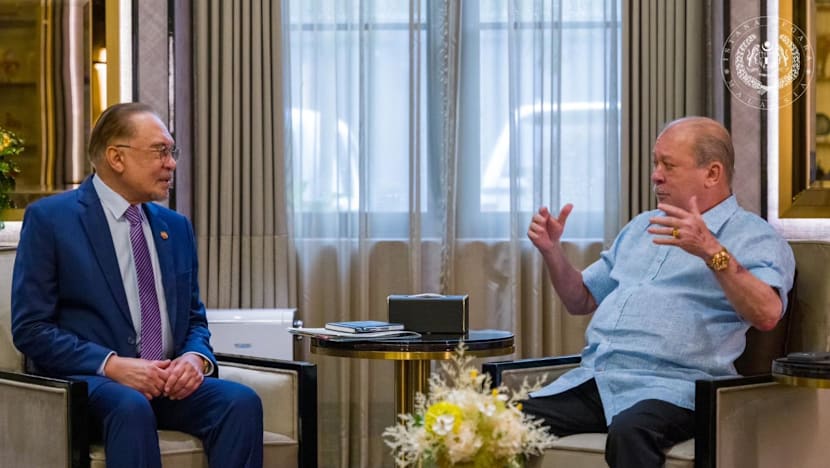
Speaking at the start of the press conference before he announced the changes, Anwar said: “There is a need to make some changes so that we have a Cabinet that works as a team, to focus on achieving higher economic growth and solving people's problems.”
He had met the king Sultan Ibrahim Sultan Iskandar on Tuesday morning, and said in a Facebook post in the afternoon that he would make an announcement on the Cabinet at 3.30pm that day.
Among the changes he announced, Arthur Josep Kurup of the United Sabah People’s Party was appointed Natural Resources and Environmental Sustainability Minister, PKR vice-president R Ramanan was appointed Human Resources Minister while head of UMNO women’s wing Noraini Ahmad was appointed Minister for Plantations and Commodities.
Democratic Action Party’s (DAP) Hannah Yeoh was reassigned from her Minister for Youth and Sports portfolio to be Minister in the Prime Minister’s Department (Federal Territories), with PKR’s Taufiq Johari taking her place.
PKR’s Mustapha Mohd Yunus Sakmud was appointed Minister for Sabah and Sarawak while DAP’s Steven Sim was reassigned from his Human Resources portfolio to be Minister for Entrepreneur Development and Cooperatives.
Senator and Islamic scholar Zulkifli Hasan was appointed Minister for Religious Affairs.
The changes to Anwar’s Cabinet - including full minister and deputy minister positions - saw some members being reassigned while others were new appointments.
Full ministers who were dropped completely from the line-up included PKR’s Zaliha Mustafa who was Minister in the Prime Minister’s Department (Federal Territories) and Minister for Religious Affairs Mohd Na’im Mokhtar.
Na'im's exclusion was a surprise as he was sworn in as a senator for a second term on Dec 3.
Notably, Malaysia's Education Minister Fadhlina Sidek retained her post despite facing criticism for her perceived lack of action and slow response on serious school issues like bullying, with student deaths triggering public outcry for her to resign.
Earlier this month, three ministers were also sworn in as senators for a second term. Besides Na'im, they included Home Minister Saifuddin Nasution Ismail and Higher Education Minister Zambry Abdul Kadir.
A minister in Malaysia must be an elected member of parliament (MP) in the lower house or an appointed senator in the upper house.
On Dec 1, Anwar had said that a major reshuffle of his Cabinet is not on the cards, noting that his administration will “only function for a year plus” as Malaysia’s next general election is due by February 2028.
However, there was speculation that changes to his Cabinet were imminent, with Tengku Zafrul stepping down from his Investment, Trade and Industry Minister portfolio earlier this month, creating a fourth ministerial vacancy.
Tengku Zafrul had served for two terms as a senator since 2020. He held the trade minister post throughout his term in the Senate, which is the maximum period allowed.
Nik Nazmi Nik Ahmad had resigned as the Natural Resources and Environmental Sustainability Minister in May, while Ewon Benedick resigned as the Entrepreneur Development and Cooperatives Minister in November, ahead of the Sabah state elections.
Ewon had resigned over disagreements with the federal government on issues related to Sabah’s 40 per cent entitlement of federal net revenue derived from the state.
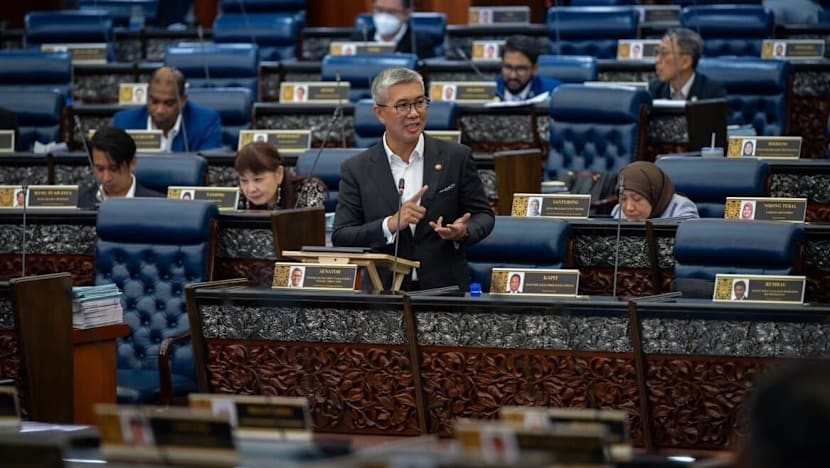
Meanwhile, like Rafizi, Nik Nazmi had resigned following defeat in party elections within PKR.
Second Finance Minister Amir Hamzah took over the economy portfolio in the interim while Johari Ghani helped to handle natural resources and environment sustainability.
Ewon’s former portfolio was being managed by works minister Alexander Nanta Linggi starting Dec 3, local media reported.

Malaysia Prime Minister Anwar Ibrahim shows a list of his Cabinet appointments after announcing a reshuffle on Dec 16, 2025. (Photo: Prime Minister’s Office of Malaysia/Afiq Hambali)
KUALA LUMPUR: Malaysian Prime Minister Anwar Ibrahim announced sweeping changes to his Cabinet on Tuesday (Dec 16), ending weeks of speculation over ministerial vacancies.
Notable changes - among more than 25 announced - include the appointments of United Malays National Organisation (UMNO) stalwart Johari Ghani as the new Investment, Trade and Industry Minister and Parti Keadilan Rakyat’s (PKR) Akmal Nasir as Economy Minister. There are 65 Cabinet posts in total.
Johari was previously Minister for Plantations and Commodities while Akmal was Deputy Minister of Energy Transition and Water Transformation.
During the internal PKR polls in May, Akmal was seen as closely aligned to Rafizi Ramli, who resigned as Economy Minister after he was defeated by Anwar’s daughter Nurul Izzah in a contest to be the party’s deputy president.
UMNO is an ally of Anwar’s Pakatan Harapan (PH) ruling coalition, and the investment, trade and industry portfolio was previously held by Tengku Zafrul Aziz, who was an UMNO member before leaving the party to join the prime minister’s PKR.
Speaking at the start of the press conference before he announced the changes, Anwar said: “There is a need to make some changes so that we have a Cabinet that works as a team, to focus on achieving higher economic growth and solving people's problems.”
He had met the king Sultan Ibrahim Sultan Iskandar on Tuesday morning, and said in a Facebook post in the afternoon that he would make an announcement on the Cabinet at 3.30pm that day.
Among the changes he announced, Arthur Josep Kurup of the United Sabah People’s Party was appointed Natural Resources and Environmental Sustainability Minister, PKR vice-president R Ramanan was appointed Human Resources Minister while head of UMNO women’s wing Noraini Ahmad was appointed Minister for Plantations and Commodities.
Democratic Action Party’s (DAP) Hannah Yeoh was reassigned from her Minister for Youth and Sports portfolio to be Minister in the Prime Minister’s Department (Federal Territories), with PKR’s Taufiq Johari taking her place.
PKR’s Mustapha Mohd Yunus Sakmud was appointed Minister for Sabah and Sarawak while DAP’s Steven Sim was reassigned from his Human Resources portfolio to be Minister for Entrepreneur Development and Cooperatives.
Senator and Islamic scholar Zulkifli Hasan was appointed Minister for Religious Affairs.
The changes to Anwar’s Cabinet - including full minister and deputy minister positions - saw some members being reassigned while others were new appointments.
Full ministers who were dropped completely from the line-up included PKR’s Zaliha Mustafa who was Minister in the Prime Minister’s Department (Federal Territories) and Minister for Religious Affairs Mohd Na’im Mokhtar.
Na'im's exclusion was a surprise as he was sworn in as a senator for a second term on Dec 3.
Notably, Malaysia's Education Minister Fadhlina Sidek retained her post despite facing criticism for her perceived lack of action and slow response on serious school issues like bullying, with student deaths triggering public outcry for her to resign.
Earlier this month, three ministers were also sworn in as senators for a second term. Besides Na'im, they included Home Minister Saifuddin Nasution Ismail and Higher Education Minister Zambry Abdul Kadir.
A minister in Malaysia must be an elected member of parliament (MP) in the lower house or an appointed senator in the upper house.
On Dec 1, Anwar had said that a major reshuffle of his Cabinet is not on the cards, noting that his administration will “only function for a year plus” as Malaysia’s next general election is due by February 2028.
However, there was speculation that changes to his Cabinet were imminent, with Tengku Zafrul stepping down from his Investment, Trade and Industry Minister portfolio earlier this month, creating a fourth ministerial vacancy.
Tengku Zafrul had served for two terms as a senator since 2020. He held the trade minister post throughout his term in the Senate, which is the maximum period allowed.
Nik Nazmi Nik Ahmad had resigned as the Natural Resources and Environmental Sustainability Minister in May, while Ewon Benedick resigned as the Entrepreneur Development and Cooperatives Minister in November, ahead of the Sabah state elections.
Ewon had resigned over disagreements with the federal government on issues related to Sabah’s 40 per cent entitlement of federal net revenue derived from the state.
Meanwhile, like Rafizi, Nik Nazmi had resigned following defeat in party elections within PKR.
Second Finance Minister Amir Hamzah took over the economy portfolio in the interim while Johari Ghani helped to handle natural resources and environment sustainability.
Ewon’s former portfolio was being managed by works minister Alexander Nanta Linggi starting Dec 3, local media reported.